European Midweek Fixture Density: Charting Congestion Patterns for Strategic Match Analysis
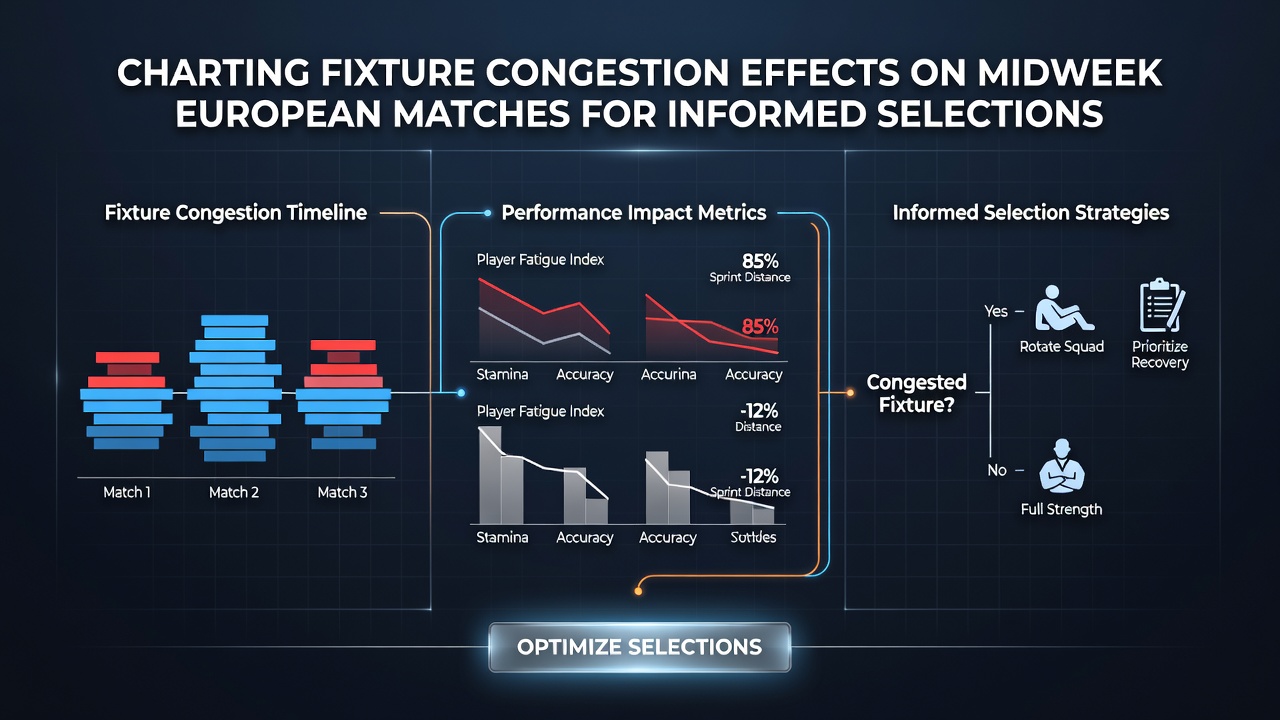
European football calendars pack multiple competitions into tight windows, and midweek slots often force clubs to manage overlapping domestic league games alongside Champions League or Europa League ties. Observers note that teams face recovery challenges when travel distances combine with limited rest periods between matches, and data from recent seasons illustrates measurable shifts in performance metrics during these stretches. Researchers tracking squad rotation patterns have documented how starting elevens change when managers balance league positions against continental progress, while goal tallies and defensive solidity frequently adjust in line with minutes played by key personnel.
Defining Congestion Periods in Continental Schedules
Fixture congestion occurs when clubs contest matches within intervals shorter than standard recovery windows, typically spanning five to seven days across several competitions. UEFA competition calendars place group stage encounters on Tuesdays and Wednesdays, leaving domestic leagues to fill weekends and occasional midweek rounds that overlap with travel demands. Studies from sports science departments across Europe indicate that muscle recovery markers remain elevated for up to 72 hours post-match, and repeated exposure within that timeframe correlates with elevated injury incidence rates tracked by club medical staffs. Those monitoring these patterns point to the autumn and spring months as peak periods when European group phases coincide with domestic cup replays or postponed league fixtures.
Performance Shifts Observed in Midweek European Ties
Match outcome datasets compiled from major European leagues reveal that sides playing continental matches on Wednesday evenings record altered win percentages in subsequent weekend fixtures, yet the direct impact on the midweek European result itself often depends on squad depth. Teams with larger rotation options maintain higher possession retention and shot conversion rates compared with thinner squads forced to reuse starters. Figures released by performance analysis platforms covering the 2024-2025 and 2025-2026 campaigns show average distance covered dropping by several hundred meters per player when matches occur within four days of prior fixtures, while pass completion percentages trend lower in the second half of congested weeks. One analysis of Bundesliga and Serie A clubs participating in the Champions League highlighted that substitute contributions in the 70th minute onward increased during such periods, suggesting tactical adjustments aimed at preserving starting players for upcoming domestic priorities.
Travel logistics further compound these variables, particularly for clubs crossing time zones or relying on late-night flights after away legs. Data aggregated by European sports institutes demonstrates that long-haul journeys preceding midweek ties associate with reduced high-intensity running outputs in the opening 30 minutes, and recovery protocols implemented upon return influence availability for the next round. In July 2026, pre-season tournament schedules already signal early congestion risks for clubs balancing friendlies against domestic league openers and initial European qualifiers, with medical teams preparing workload management plans accordingly.
Statistical Correlations Between Rest Intervals and Match Metrics
Quantitative reviews of European matches played on consecutive midweek dates indicate that fewer than five full rest days between games links to modest declines in expected goal differentials, though outcomes vary by competition intensity. A longitudinal project coordinated through university research groups in the Netherlands and Germany tracked over 2,000 player appearances across five seasons and found elevated hamstring strain reports when rest dropped below 96 hours. Those compiling these records emphasize that goalkeepers and central defenders exhibit different fatigue thresholds than attacking midfielders, leading some managers to implement position-specific rotation matrices. External benchmarks published by the Aspetar Orthopaedic and Sports Medicine Hospital in Qatar align with these observations, noting similar patterns among clubs competing in multiple confederation events simultaneously.
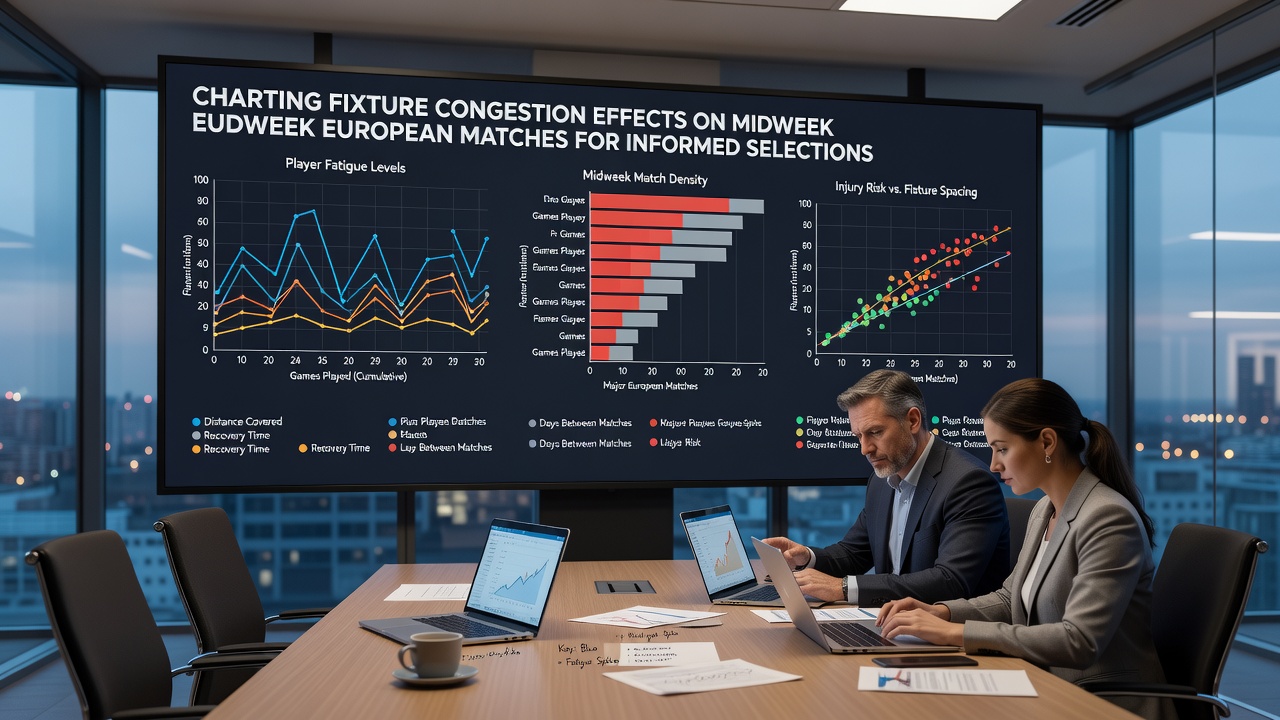
Goal timing distributions also shift during congested blocks, with data from tracking providers illustrating fewer strikes in the first 15 minutes of midweek European games compared with standard weekend scheduling. This trend coincides with lower pressing intensity early on, as teams conserve energy while adapting to opponent tactics. Analysts reviewing these sequences note that set-piece efficiency sometimes rises instead, because dead-ball situations require less sustained running. Clubs in the Portuguese Primeira Liga and Belgian Pro League, which often navigate tighter domestic calendars alongside European commitments, provide frequent case examples where second-half substitute patterns correlate with improved results when rest windows remain short.
Strategic Implications for Match Selection Frameworks
Selection models incorporating congestion variables weigh squad rotation history alongside fixture lists released by domestic federations and UEFA. Performance databases maintained by professional scouting networks allow comparison of team outputs when home midweek European ties follow weekend away fixtures versus when the sequence reverses. Observers compiling these comparisons report that defensive lineups tend to hold firmer in home legs following domestic wins that boost morale, whereas away European fixtures after midweek league encounters show wider variance in clean sheet percentages. Betting markets have begun pricing these patterns into odds, yet the underlying data remains accessible through public match reports and official competition statistics.
Coaches addressing congestion frequently reference training load metrics captured via GPS systems, adjusting intensity on recovery days to preserve freshness for Thursday or Friday sessions ahead of weekend league rounds. Such adjustments appear in post-match press briefings where availability reports list multiple players doubtful due to accumulated fatigue rather than acute injury. In the context of the 2026 calendar, early indicators from July pre-season windows suggest several clubs have already flagged potential rotation needs for August qualifiers, prompting closer scrutiny of depth charts before group stage draws finalize.
Conclusion
Fixture density across midweek European commitments produces measurable shifts in player workloads, squad selection tendencies, and performance indicators that selection frameworks can incorporate through systematic tracking. Rest interval data, travel records, and substitution patterns together form observable trends that repeat across multiple seasons and competitions. Continued monitoring of these variables offers structured context for evaluating upcoming midweek ties without reliance on isolated match narratives.