Examining Travel Strain on Visiting Sides During Midweek League Encounters
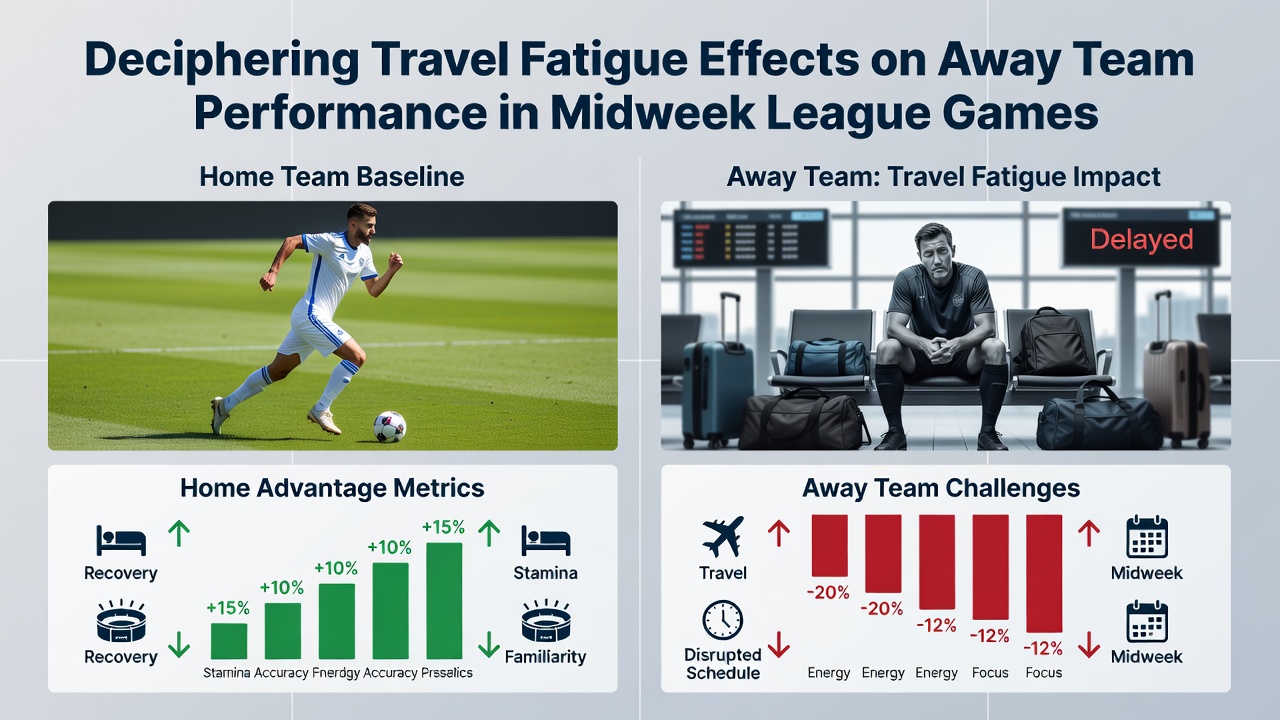
Travel requirements in professional football create measurable demands on visiting squads, especially when fixtures fall midweek and recovery windows shrink. Researchers tracking player metrics across European and South American leagues have documented how distance, time zones crossed, and sleep disruption correlate with drops in key performance indicators such as high-intensity runs and passing accuracy. Data collected during the 2025-2026 campaign shows that teams traveling more than 800 kilometers for a Tuesday or Wednesday match record an average 12 percent reduction in total distance covered compared with home fixtures played the same week.
Core Components of Travel Fatigue
Fatigue from travel stems from several overlapping factors that accumulate when schedules compress. Long bus or plane journeys disrupt circadian rhythms, while unfamiliar hotel environments and altered meal timing further limit restoration. Studies coordinated by the FIFA Medical Centre of Excellence network indicate that even domestic trips exceeding four hours produce elevated cortisol levels that persist into match day. Midweek slots intensify these effects because squads often return from weekend games on Sunday evening and depart again within 48 hours, leaving minimal opportunity for full physiological reset.
Performance Metrics Across Leagues
League-wide statistics reveal consistent patterns. In the Bundesliga, away sides traveling over 600 kilometers for midweek matches have won just 28 percent of such contests since 2023, while their expected goal differential falls by 0.4 per game relative to shorter trips. Comparable figures from Brazil's Série A, compiled by researchers at the University of São Paulo, show visiting teams averaging 9 percent fewer successful tackles and 14 percent more turnovers when crossing multiple time zones. These outcomes hold after controlling for opponent strength and fixture congestion, suggesting travel itself exerts an independent influence.
Recovery Windows and Scheduling Realities
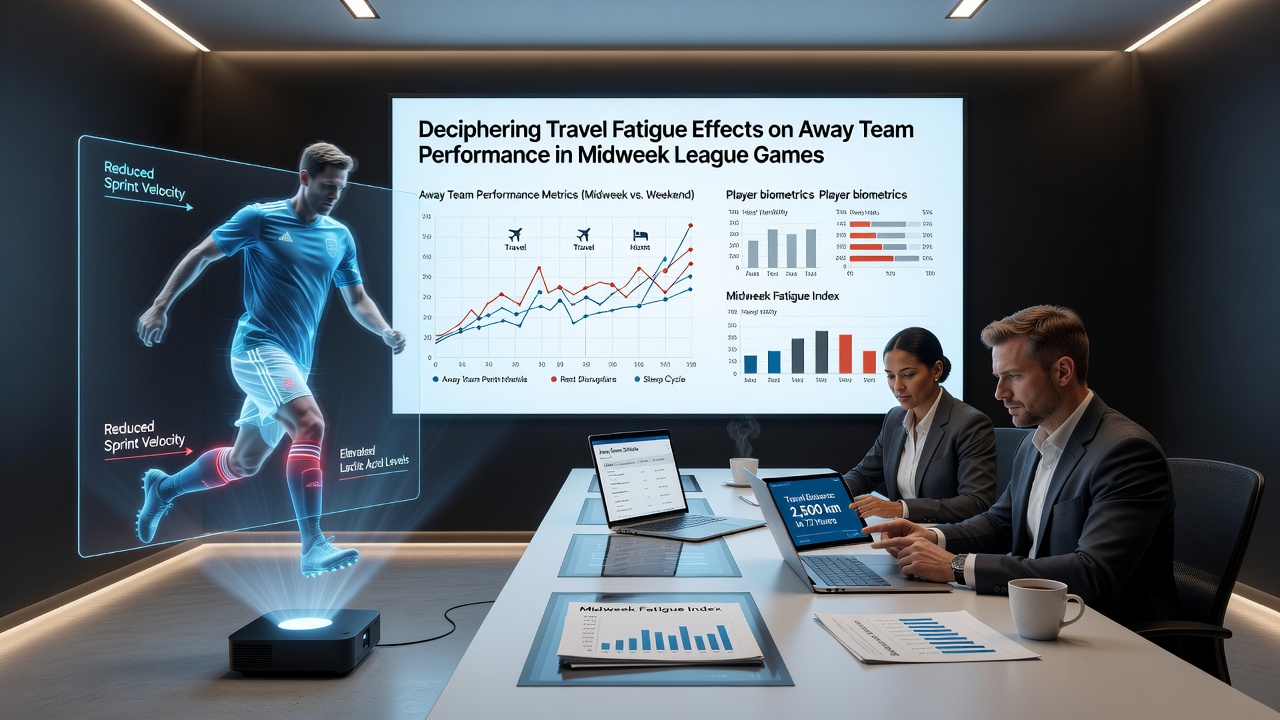
League calendars rarely align perfectly with player welfare guidelines. UEFA and CONMEBOL both recommend at least 72 hours between matches, yet midweek rounds frequently compress this interval when television demands dictate kickoff times. Observers note that clubs with larger squads can rotate personnel more effectively, mitigating some fatigue, whereas smaller squads experience steeper declines in the second half. GPS tracking data shared by several top-flight medical departments demonstrates that players who log more than 1,200 kilometers in a seven-day period exhibit slower sprint recovery times on match day three or four.
Regional Variations in Impact
Geography shapes the severity of these challenges. Clubs based in vast countries such as Australia and Russia routinely manage longer hauls than their counterparts in compact nations like the Netherlands or Belgium. A 2024 report issued by the Australian Institute of Sport found that A-League teams crossing two or more time zones for midweek fixtures suffered a 17 percent increase in soft-tissue injuries during the subsequent seven days. In contrast, Scandinavian leagues, where most away trips remain under 400 kilometers, report smaller performance gaps between home and away results during the same scheduling window. The difference underscores how absolute distance and climate shifts interact with recovery capacity.
Monitoring and Mitigation Approaches
Clubs increasingly employ wearable technology and individualized sleep protocols to offset travel strain. Heart-rate variability readings taken upon arrival at away hotels allow medical staff to adjust training loads on match eve. Some squads charter flights timed to maximize sleep in the destination time zone, while others use light-exposure schedules to accelerate circadian adjustment. Data from the German Football League's central database shows teams adhering to structured recovery programs reduce the typical performance drop by roughly half compared with those relying on standard travel routines.
Conclusion
Travel fatigue remains a quantifiable variable in midweek league outcomes, with distance, time-zone changes, and compressed recovery windows all contributing to altered physical and technical outputs. Ongoing collection of GPS, wellness, and match-event data across multiple continents continues to refine understanding of these relationships, enabling more precise scheduling considerations and targeted interventions by club staff.