High-Altitude Endurance Challenges Shape Over 2.5 Goal Patterns Across Global Leagues

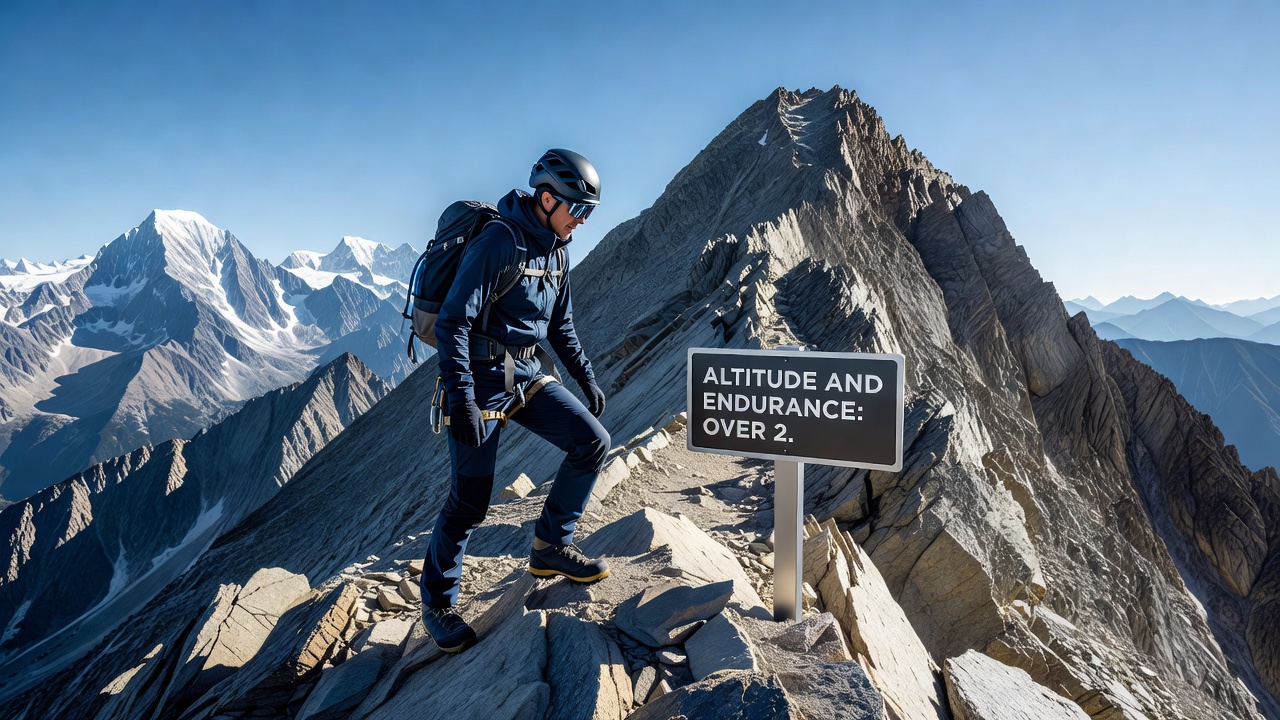
High-altitude venues create distinct physiological demands that influence player endurance and scoring trends in professional football matches, particularly where reduced oxygen availability accelerates fatigue and opens opportunities for additional goals after the sixtieth minute. Researchers at institutions such as the University of Colorado have documented how elevations above 2,000 meters lower blood oxygen saturation, forcing athletes to expend greater energy for the same workload while recovery between sprints becomes slower. Data from CONMEBOL competitions shows that teams competing in venues like La Paz or Quito record elevated goal tallies in the final thirty minutes compared with sea-level fixtures, a pattern tied directly to endurance depletion rather than tactical shifts alone.
Physiological Mechanisms Behind Altitude Effects
At elevations exceeding 2,500 meters the partial pressure of oxygen drops significantly, prompting immediate increases in breathing rate and heart output that cannot fully compensate during sustained high-intensity efforts. Studies conducted by the Australian Institute of Sport demonstrate that repeated sprint performance declines by approximately twelve percent within the first fifteen minutes of exposure, with further deterioration accumulating across the ninety-minute duration. This cumulative fatigue manifests most visibly in midfield and defensive units, where positioning errors and reduced closing speed create space for attacking transitions that frequently conclude in goals. Observers note that these changes occur independently of squad rotation policies, since visiting teams rarely possess adequate acclimatization time before kickoff.
League-Specific Data on Goal Timing
Records from the Bolivian Primera División and Mexican Liga MX reveal consistent spikes in second-half goal production at high-altitude grounds, with over 2.5 goal matches occurring at rates five to eight percentage points higher than equivalent fixtures at lower elevations. European clubs participating in Copa Libertadores qualifiers have experienced similar patterns, where early defensive discipline erodes after the hour mark once oxygen debt compounds across multiple high-intensity phases. Analysts tracking these trends emphasize that the effect appears most pronounced when matches involve teams traveling from significantly different altitudes, rather than both sides sharing comparable preparation environments.
Preparation Strategies Employed by Clubs
Coaching staffs address altitude challenges through targeted pre-match protocols that include staged arrival schedules, modified training loads, and nutritional interventions aimed at supporting red blood cell production. Teams facing repeated high-elevation fixtures sometimes incorporate simulated altitude tents during domestic preparation, although the efficacy of these methods varies according to individual physiological responses. FIFA medical guidelines recommend a minimum forty-eight-hour acclimatization window for players moving from sea level, yet scheduling constraints in continental tournaments often compress this period. Data compiled by the FIFA medical department indicates that even partial adaptation yields measurable improvements in late-match work rate, reducing the likelihood of defensive lapses that contribute to elevated goal counts.
Seasonal Variations Observed in 2026
During July 2026 several South American domestic leagues resumed fixtures after international breaks, providing fresh datasets that reinforced earlier findings on altitude-related scoring. Matches in Quito and Potosí again displayed increased goal frequency after the seventy-fifth minute, aligning with historical benchmarks while highlighting the continued relevance of endurance factors amid congested calendars. Weather conditions typical of mid-year periods, including lower humidity at certain highland locations, further influence hydration strategies and perceived exertion levels, adding another variable that clubs must manage when planning travel and recovery.
Implications for Match Analysis Frameworks
Statistical models used by performance analysts now incorporate altitude as a distinct covariate when projecting goal distributions, moving beyond simple home-and-away adjustments. These frameworks account for both absolute elevation and the differential between competing teams' base locations, producing more granular predictions for total goals and timing. Research published in sports science journals underscores that ignoring altitude effects leads to systematic underestimation of scoring potential in specific venues, particularly during the latter stages of matches where fatigue compounds. The integration of wearable technology that tracks real-time heart rate and oxygen saturation has enabled clubs to quantify these impacts on an individual basis, informing substitution timing and tactical adjustments that aim to mitigate late-game vulnerabilities.
Conclusion
Altitude continues to function as a measurable determinant of endurance and goal timing across multiple confederations, with data consistently linking higher elevations to increased second-half scoring frequency. Clubs and analysts who integrate physiological research with fixture-specific variables gain clearer perspectives on match dynamics that unfold under reduced oxygen conditions. Ongoing monitoring through 2026 and beyond will likely refine these understandings as training methodologies and scheduling practices evolve in response to documented patterns.