Offshore Operators Capture Growing Slice of UK Gambling Spend as Black Market Expands

Research from H2 Gambling Capital shows illegal offshore sites pulled almost £17 billion out of the UK market in 2025, a sharp rise from the £5 billion recorded six years earlier, and this shift has reduced the legal sector's share of total gambling activity from 97 percent in 2019 to 92 percent by 2025. Observers note that higher taxes, including the 40 percent Remote Gaming Duty, combined with affordability checks and targeted promotions from unlicensed platforms that accept crypto payments, have contributed to the change.
The UK Gambling Commission has responded by blocking more than 266,000 offshore URLs and working directly with social media platforms and payment processors to limit access to these sites. Data indicates the commission's efforts continue into 2026, with fresh blocks recorded as recently as May of that year, while researchers track how quickly new domains appear to replace those already restricted.
Key Drivers Behind the Market Shift
Analysts point to several factors operating at once. Licensed operators face elevated costs from the Remote Gaming Duty and stricter affordability requirements that some customers find cumbersome, whereas unlicensed sites promote faster transactions and fewer verification steps through cryptocurrency channels. Studies from H2 Gambling Capital reveal that these differences have encouraged a portion of players to move activity offshore, and the cumulative effect appears in the widening gap between legal and illegal volumes.
Figures released in the report also highlight that aggressive marketing campaigns run by unlicensed operators reach UK audiences through social channels and search results, often promising larger bonuses or instant withdrawals. Those who have examined the data observe that such promotions succeed in drawing users who might otherwise remain with licensed platforms that must comply with stricter advertising rules.
Regulatory Response and Enforcement Actions
The UK Gambling Commission maintains an active program of domain blocking that has now surpassed 266,000 individual URLs, yet new addresses continue to surface. Collaboration with major platforms has led to quicker removal of promotional content, and payment providers have received requests to restrict processing for known offshore entities. Experts tracking enforcement note that these measures slow but do not eliminate access, since operators frequently migrate to fresh domains within days of a block.
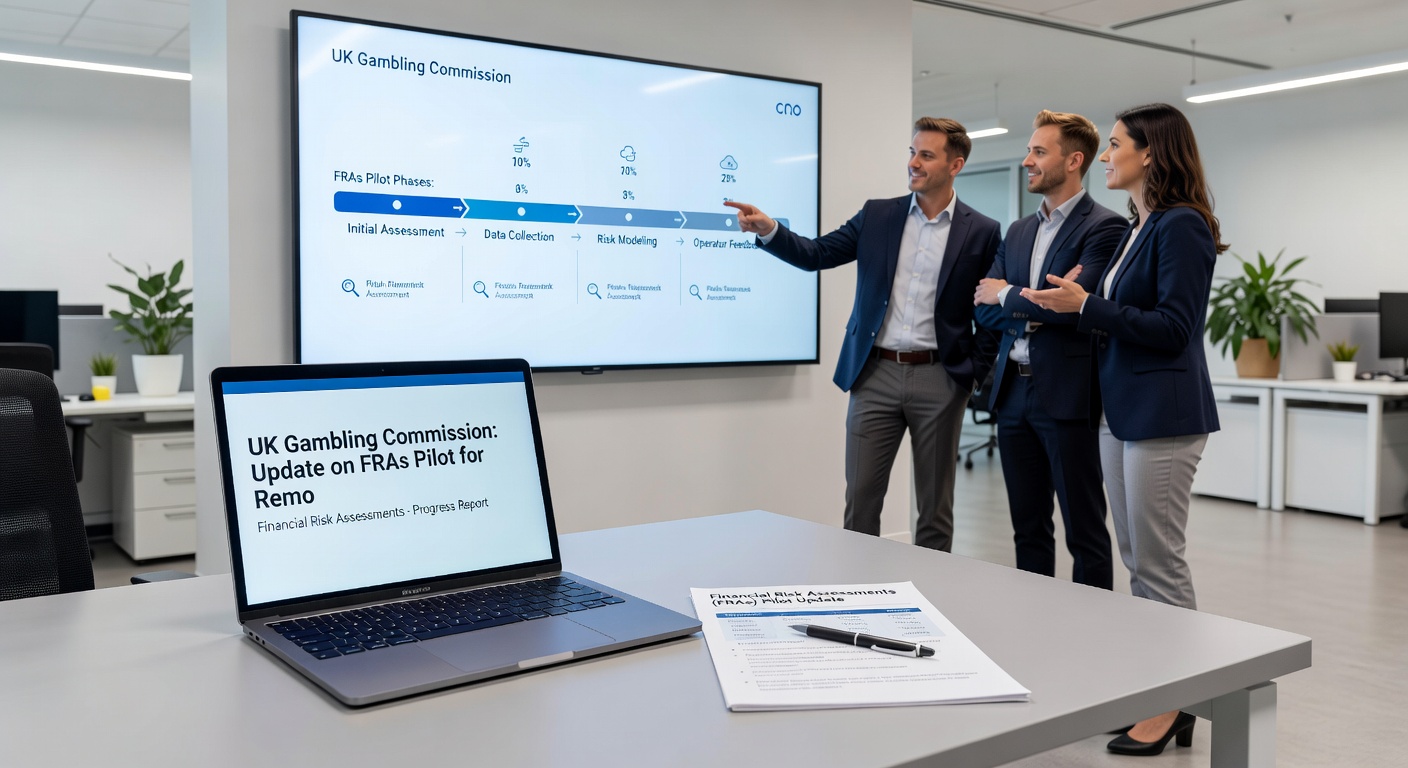
Updates through May 2026 show the commission extending its monitoring lists and sharing intelligence with international partners, while researchers continue to measure how much activity still bypasses these controls. The report underscores that the black market's growth coincides with periods of intensified regulatory pressure on the licensed sector, creating a contrast that some players appear to exploit.
Impact on Licensed Operators and Player Behavior
Licensed operators have seen a measurable portion of wagers move offshore, with the £16.6 billion figure representing activity that would otherwise contribute to tax revenue and consumer protection funds. Researchers tracking player migration report that convenience and perceived value drive many of these decisions, especially when unlicensed sites accept crypto and advertise minimal friction during deposits and withdrawals.
Those monitoring trends note that the decline in legal market share from 97 percent to 92 percent reflects a steady, multi-year pattern rather than a sudden jump. The data suggests that both tax structures and verification requirements play roles, although the exact weight of each factor varies across different customer segments.
Looking Ahead to Continued Monitoring
Further updates scheduled for later in 2026 aim to measure whether enforcement actions can narrow the gap again or whether offshore volumes will keep rising. The commission's ongoing work with technology companies and financial institutions remains central to these efforts, and analysts will watch closely to see how player behavior responds to new blocks and policy adjustments.
Conclusion
The research from H2 Gambling Capital documents a clear expansion of offshore activity that has reduced the legal sector's dominance in the UK, driven by a combination of tax burdens, regulatory checks, and competitive tactics from unlicensed operators. Enforcement measures continue, yet the scale of blocked URLs and the persistence of new sites indicate that the challenge remains active into 2026. Continued data collection will show whether current strategies can reverse the trend or whether additional tools will be required to restore balance between licensed and illegal markets.