UK Launches Consultation on 30% Rise in Gambling Licence Fees to Tackle Black Market and Boost Enforcement
UK Launches Consultation on 30% Rise in Gambling Licence Fees to Tackle Black Market and Boost Enforcement

The Proposal at a Glance
Observers note how the UK government, via the Department for Culture, Media and Sport (DCMS), kicked off a public consultation on ramping up Gambling Commission operating licence fees for gambling operators; this move targets remote betting firms among others, aiming to better match cost recovery with the regulatory effort poured in, the market share held by each operator, and the specific risks they pose. Data from the consultation document reveals the preferred Option 3, which spells out a 30% overall increase—split as 20% general uplift plus 10% ringfenced specifically for disrupting illegal markets—set to kick in on 1 October 2026, right amid booming industry growth and looming tax pressures like the Remote Gaming Duty jumping to 40% come April 2026.
What's interesting here lies in the timing; with licensed operators facing stiffer black market competition, these fee hikes seek to sustain robust enforcement while shielding legitimate businesses' revenue streams, all while backing the slew of reforms outlined in the post-White Paper landscape. Figures indicate current fees sit at about 0.21% of Gross Gambling Yield (GGY), potentially climbing to 0.28% under the new structure, according to the official consultation page.
Breaking Down the Fee Structure Changes
Experts have observed that the consultation lays out multiple options, but Option 3 emerges as the frontrunner because it ties fees more closely to actual regulatory demands; remote operators, for instance, would see adjustments based on their GGY contributions alongside risk profiles assessed through compliance history and operational scale. And while non-remote venues like land-based casinos or bingo halls face similar uplifts, the focus sharpens on remote betting intermediaries, where illegal offshore sites nibble away at market edges.
Take the ringfenced portion—that 10% slice dedicated to illegal market disruption; it's designed to fund targeted enforcement actions, from tech-driven monitoring to international crackdowns, ensuring licensed firms don't lose ground to unregulated players. Studies from regulatory bodies show black market activity siphons off significant revenue—estimated in billions annually—prompting this push for self-sustaining funding models that scale with the industry's expansion.
But here's the thing: these changes don't hit in a vacuum; they're layered atop the Remote Gaming Duty hike to 40% starting April 2026, which itself pressures remote operators' margins as GGY swells from online slots, sportsbooks, and casino games. People in the sector often point out how GGY figures have climbed steadily, with the latest Industry Statistics Annual Report (Financial Year April 2024 to March 2025) highlighting remote sectors driving much of the growth, even as horse racing dips slightly in popularity.
Why Now? Context from Industry Pressures and Reforms
The reality is, Gambling Commission resources have stretched thin amid post-White Paper reforms—those sweeping changes from 2023 emphasizing consumer protection, affordability checks, and frictionless gambling curbs; enforcement costs have ballooned accordingly, with data indicating a need for fees to recover 100% of operational expenses rather than the partial recovery seen today. And as the regulated market matures, illegal operators exploit gaps, undercutting prices and luring players with lax age verification or unchecked bonuses.
Those who've tracked this beat know the government's hand is forced by market dynamics; GGY hit record highs in recent quarters—£4.3 billion in Q2 alone for remote activities—yet regulatory budgets lag, leaving enforcement patchy. So, the 20% general increase plugs day-to-day gaps in licensing, inspections, and compliance monitoring, while that extra 10% zeroes in on high-impact disruption efforts like partnering with payment providers to block illicit transactions or ramping up advertising sweeps.
It's noteworthy that this consultation arrives just months ahead of March 2026 milestones, where operators must fully implement White Paper mandates; affordability interactions become mandatory then, adding layers of compliance burden that justify the fee alignment. Observers highlight how smaller operators might feel the pinch more acutely, given fixed costs rising alongside percentage-based levies, although economies of scale favor larger remote betting giants.
Timeline and What Operators Can Expect
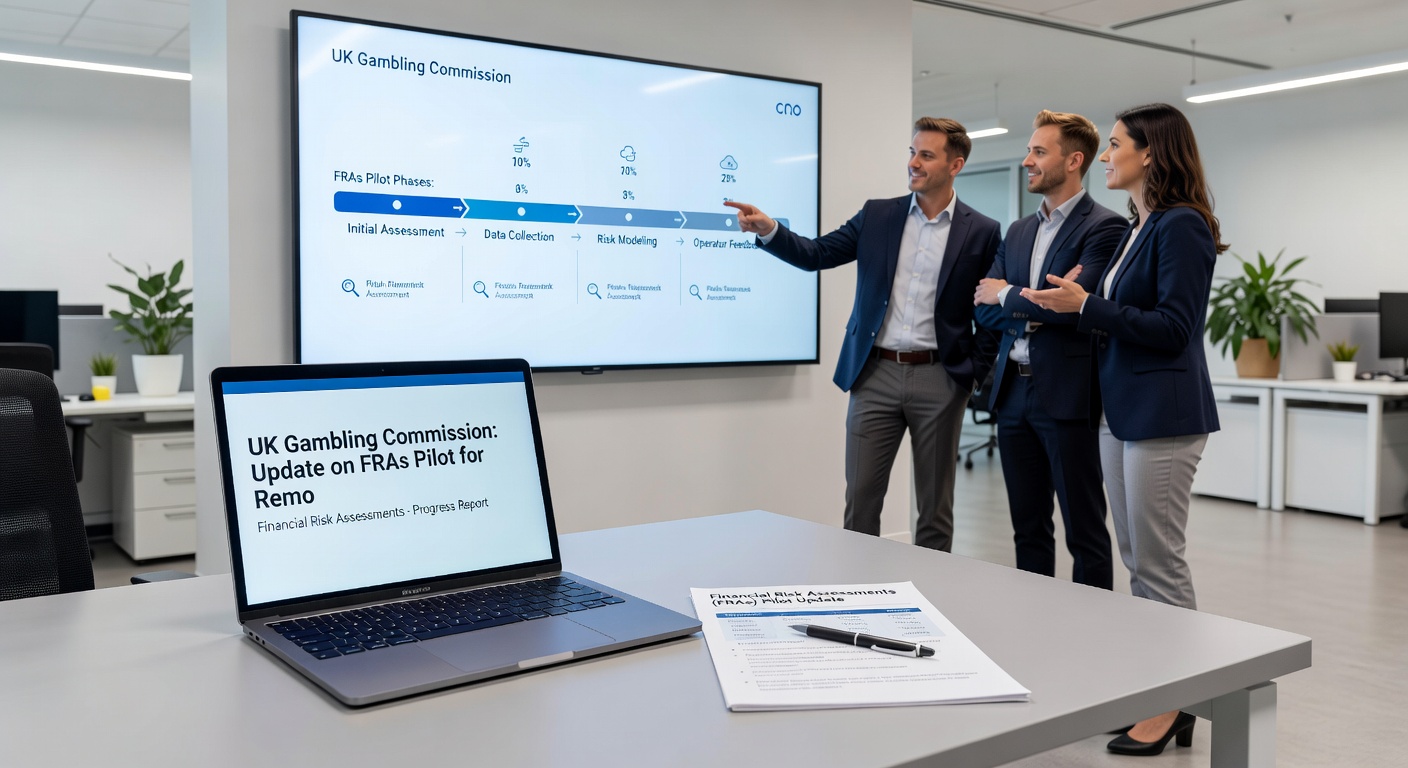
Now, the rollout unfolds deliberately; consultation responses close by early 2025, paving the way for final decisions mid-year, with fees locking in by October 2026—giving firms over 18 months to recalibrate budgets amid the Remote Gaming Duty shift in April. Remote betting operators, handling everything from Premier League accumulators to in-play horse racing markets, will calculate new fees quarterly based on rolling GGY averages, smoothing volatility from seasonal sports booms.
Case in point: a mid-tier remote bookmaker with £500 million annual GGY currently pays around £1.05 million in fees at 0.21%; under Option 3, that jumps to roughly £1.4 million, reflecting heightened scrutiny on high-volume sportsbooks prone to bonus abuse or matched betting schemes. Yet, the structure rewards lower-risk profiles—clean compliance records could trim effective rates—encouraging operators to invest in robust anti-money laundering and safer gambling tools.
And while the 30% headline figure grabs attention, granular breakdowns show variations; casino-heavy remotes might edge higher due to risk weighting, whereas bingo or lottery operators see milder uplifts tied to their steadier, lower-risk footprints. This risk-based tiering, rolled out progressively, mirrors trends in other regulated sectors like financial services, where fees scale with oversight intensity.
The Consultation Process and Stakeholder Input
Government bodies structured the consultation to draw broad input; stakeholders from trade groups like the Betting and Gaming Council to consumer advocates and smaller independents can submit views online, with DCMS promising to weigh economic impacts alongside enforcement needs. Turns out, past consultations shaped similar tweaks—such as 2021's voluntary levy on safer gambling—proving industry voices influence final shapes, although core cost-recovery goals rarely budge.
People often discover that detailed impact assessments accompany these proposals; modeling shows the average operator absorbing a 0.07% GGY fee hike without derailing profitability, given remote sectors' robust margins post-duty adjustments. But for those navigating March 2026's affordability deadlines, layering fee increases demands sharp financial planning, especially with black market threats looming larger in high-stakes events like Euro 2028 qualifiers.
Broader Implications for the Regulated Market
Evidence suggests these fees fortify the ecosystem long-term; by bolstering enforcement, licensed operators gain a leveler against offshore rivals offering unchecked free bets or crypto wagers, preserving the £15 billion-plus regulated GGY pie. Researchers who've analyzed similar jurisdictions—like Australia's point-of-consumption taxes—note how funded regulators curb illegal migration, stabilizing tax revenues that fund public services.
So, as consultations wrap and implementations near, the industry's gaze fixes on balancing compliance costs with innovation; remote betting firms, powering daily accumulators and live odds, stand to benefit from a fortified barrier against unregulated chaos, even if short-term budgets tighten. It's where the rubber meets the road for post-White Paper Britain—regulated growth sustained through pragmatic funding.
Conclusion
In sum, the DCMS consultation on Gambling Commission fee hikes—peaking at 30% via Option 3—marks a pivotal step to align levies with regulatory realities, from black market battles to White Paper enforcement, effective October 2026 amid tax and reform pressures. Data underscores the necessity, with GGY surges demanding scaled resources; stakeholders now hold the ball in their court to shape refinements, ensuring the UK's gambling framework remains robust, fair, and forward-looking.